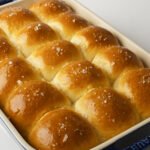
Soft Dinner Rolls (Overnight and Same day)
This fool-proof dinner rolls recipe is unbelievably soft and fluffy. You'll be forever the roll maker!
Ingredients
- 5½ cups bread flour, fluffed, spooned and leveled may substitute with all-purpose flour
- 1½ cups whole milk warm
- 2 large eggs
- 4 Tablespoons unsalted butter softened
- 3 Tablespoons honey
- 2 Tablespoons heavy cream
- 2 teaspoons instant yeast
- 2 teaspoons sea salt
- 1 egg + 1 Tablespoon heavy cream, for the egg wash
Click between "US Customary" or "Metric" button above to switch between conversions. For precise results, it's recommended to weigh your dry ingredients using a digital scale in grams as measuring in cups can have uncertainties.
Instructions
Before you start
- Use a kitchen digital scale for measuring flour and milk as both are easily over-measured. Use the toggle button in the ingredients section above to go between cups and grams. If you don’t have a scale, fluff the flour with a fork in its container, and then spoon it into the measuring cup before leveling off with a flat edge. Measure liquids at eye level.
Prepare the dough
- I highly recommend using a kitchen digital scale for measuring flour and milk as both are easily over-measured. In a large stand mixer bowl, combine flour, yeast and salt. Make a well in the center and add the warm milk, honey, heavy cream and eggs.5½ cups bread flour, fluffed, spooned and leveled, 1½ cups whole milk, 2 large eggs, 3 Tablespoons honey, 2 teaspoons instant yeast, 2 teaspoons sea salt, 2 Tablespoons heavy cream
- Use the dough hook attachment and mix until most of the flour is absorbed, then add the softened butter, one tablespoon at a time.4 Tablespoons unsalted butter
- Knead on medium speed for 12-15 minutes until the dough is soft, smooth and elastic. It should release from the sides of the bowl while mixing and not be sticking on the sides as much as when you first started. Knead a few minutes longer, if needed. At the very end of kneading, increase the mixer speed to high for a few seconds to help the dough release from the sides. You might be tempted to add more flour because sticky dough is uncomfortable. Don't do it! Oil your fingertips to make the dough manageable.
First rise
- Oil your fingers. Use your hands to shape the dough into a round ball and place in a large greased bowl. Cover with plastic wrap and let it rise for about 1-1½ hours or until puffy and doubled in size.
Shaping
- Punch the dough down and pour onto clean, dry surface. Do not flour. You need the resistance of the surface to shape the rolls.
- Once the dough is done rising, punch the dough and divide into 15 equal pieces for large rolls but up to 24 small rolls. Weigh the entire dough and divide that number by number of rolls you want to make. Shape into round balls and place them close in a buttered 9"x13" baking pan. Use more than one baking pan for more than 15 large rolls but bake only one pan at a time in the oven. For smaller rolls, you can fill the baking pan with more.Step 1Punch the dough down and divide into 15-24 equal pieces. Larger rolls about 85g each, smaller rolls around 50-60g.Step 2Working with one ball at a time, use your fingertips to gently flatten the dough piece into a square. Then, grab the four corners and pinch the seams together at the top, resembling a dumpling.Step 3Flip the ball seam side down and with the back of your palm or fingertips, use the resistance of the surface to move in a circular motion. This smooths out the round shape.Step 4Repeat until all the dough pieces are rolled. Cover loosely with plastic wrap or a light tea towel until very puffy and doubled in size. This could take between 40 minutes to 1 hour.
Second rise
- Cover with plastic wrap and let it rise for about 40 minutes to 1 hour until very puffy and almost doubled in size.Overnight optionIf making the day before, skip the second rise at room temp! Instead, after the rolls are shaped and arranged in the baking pan, cover with plastic wrap and immediately store in the fridge overnight up to 18-20 hours. After that, the yeast will run out of food and the rolls may deflate. The next day, remove from the fridge and let it sit covered at room temperature for anywhere between 1.5 to 2 hours until the dough is no longer cold to the touch, soft and fluffy. Lightly brush with egg wash and bake per directions.
Preheat the oven
- While the dough is rising, preheat the oven to 350°F.
Bake
- In a small bowl, whisk together egg with a splash of heavy cream. Remove the plastic wrap, brush over the tops with the egg wash and place the pan in the middle rack of the oven.
- Depending on the strength of your oven, bake large rolls for 35-38 minutes until deep golden brown on top. Smaller rolls may bake for 27-30 minutes.
- Let the rolls cool in the pan. Brush the tops with melted butter, honey and sprinkle with flaky sea salt.
Notes
- Directions to prepare the day before: once the first rise is finished, punch the dough, divide into equal pieces and shape. Place in a greased baking pan, cover with plastic wrap and immediately store in the fridge overnight up to 18-20 hours. After that, the yeast will run out of food and the rolls may deflate. The next day, remove from the fridge and let it sit covered at room temperature for anywhere between 1.5 to 2 hours until the dough is no longer cold to the touch, soft and fluffy. Lightly brush with egg wash and bake per directions.
Nutrition
Calories: 93kcalCarbohydrates: 7gProtein: 3gFat: 6gSaturated Fat: 4gPolyunsaturated Fat: 0.4gMonounsaturated Fat: 2gTrans Fat: 0.2gCholesterol: 52mgSodium: 336mgPotassium: 73mgFiber: 0.5gSugar: 5gVitamin A: 240IUVitamin C: 0.04mgCalcium: 39mgIron: 0.3mg
The provided nutritional value above is an estimate per serving. 100% accuracy is not guarenteed. Please see Nutrition Information Disclaimer in our Privacy Policy.
Nutrition Information Disclaimer Have you tried this recipe?Please leave a comment/review below!